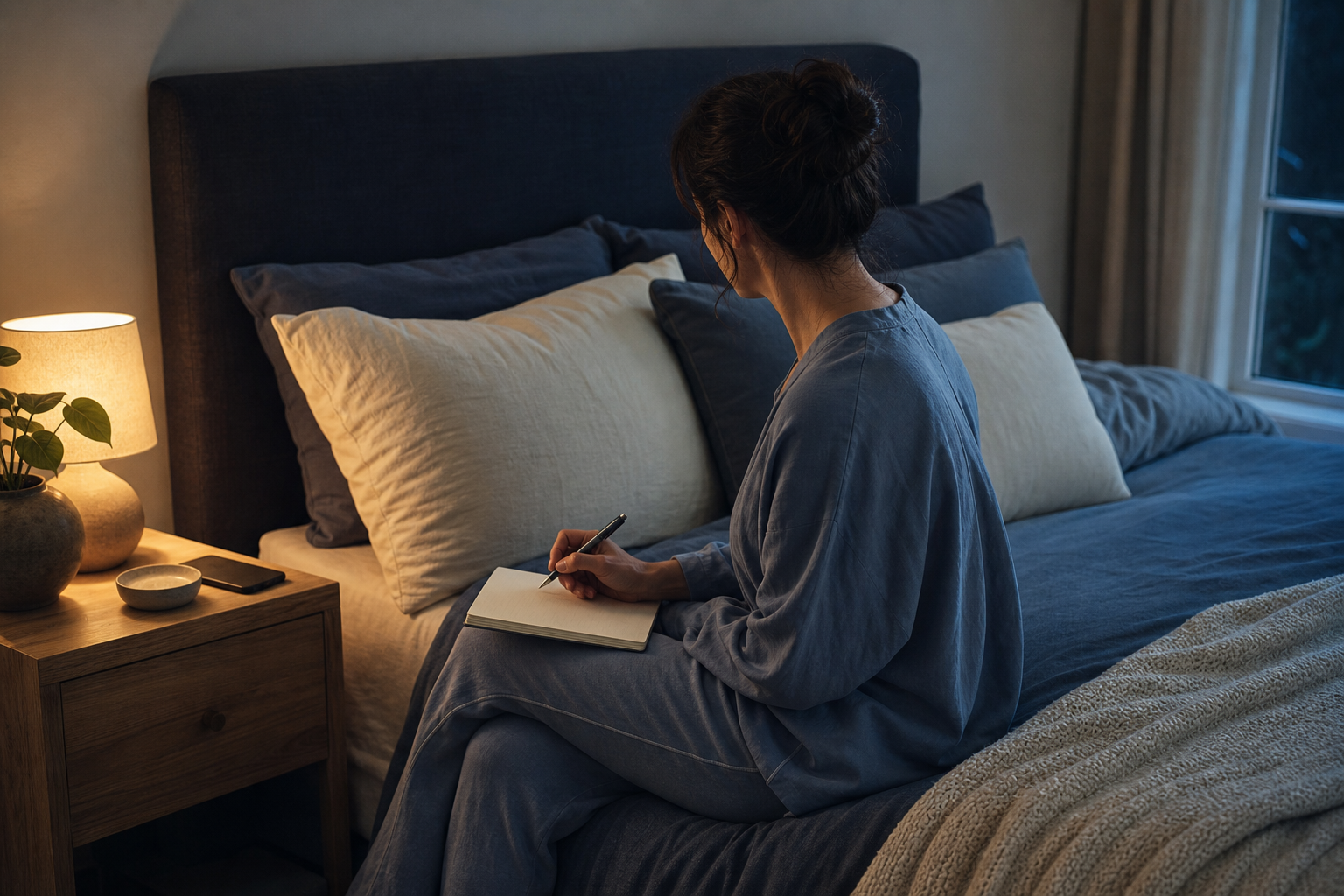
How to Fall Asleep Fast When Your Mind Is Busy
When thoughts keep circling at bedtime, use this simple sequence to unload them, relax your body, and avoid turning your bed into a place for worrying.
When thoughts keep circling at bedtime, use this simple sequence to unload them, relax your body, and avoid turning your bed into a place for worrying.
A practical approach to falling asleep that replaces clock-watching and forced relaxation with sleepiness, consistency, and low-pressure habits.
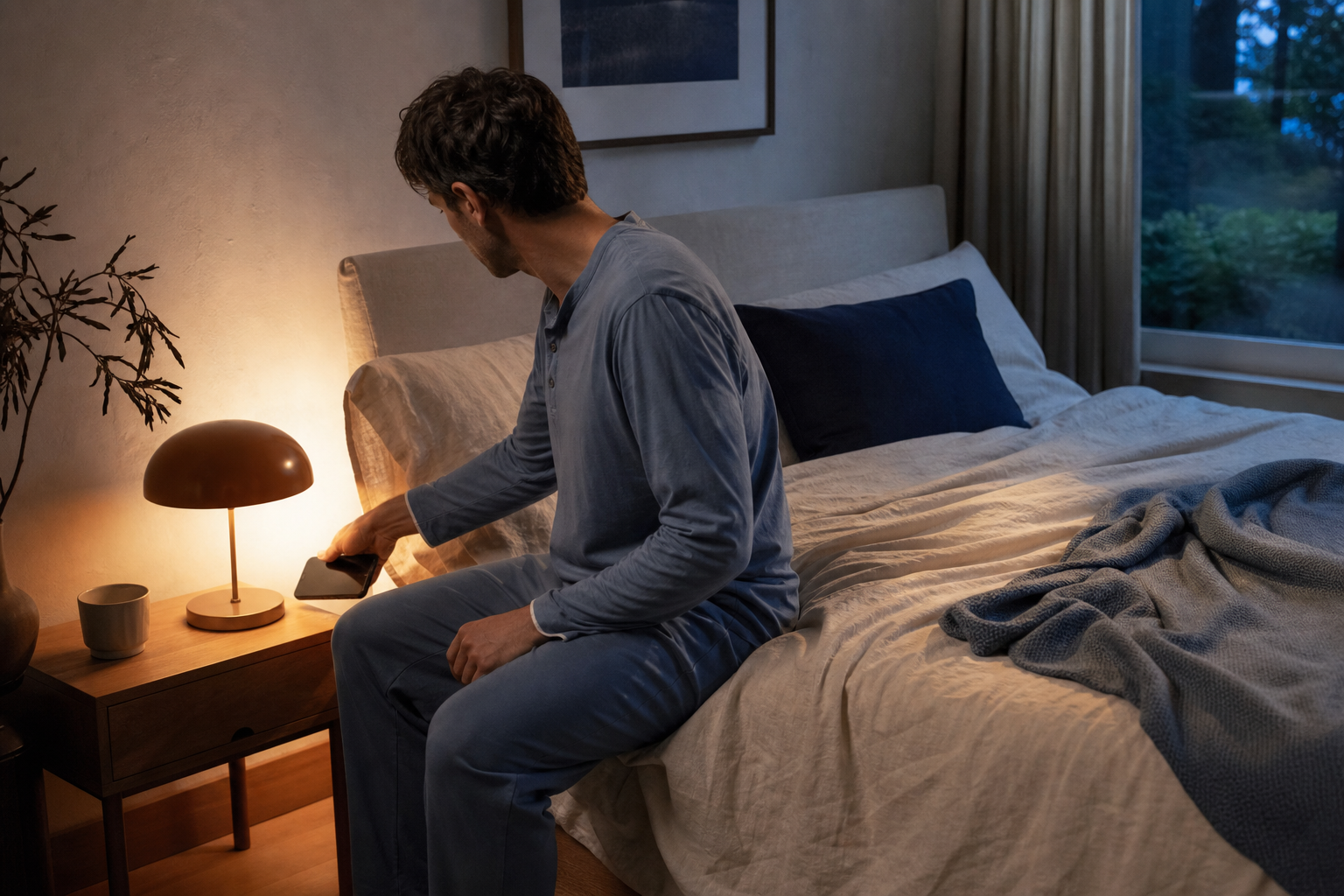
Use this practical bedtime sequence to reduce stimulation, settle your body, quiet mental activity, and respond calmly when you cannot fall asleep.
A sequential sleep hygiene checklist for building a steadier schedule, a calmer wind-down, and a more sleep-friendly bedroom.
Build a more workable sleep routine by protecting enough time for rest, using light and caffeine deliberately, and simplifying your final minutes before bed.
A practical guide to the sleep habits that matter most, from keeping a steady schedule to improving your bedroom and evening routine.
There is no universal cutoff for nighttime eating. A simple timing and meal-size experiment can help you find a more comfortable evening routine.
Evening exercise does not automatically disrupt sleep. Test workout intensity, finish time, and your overnight response to find a practical schedule.
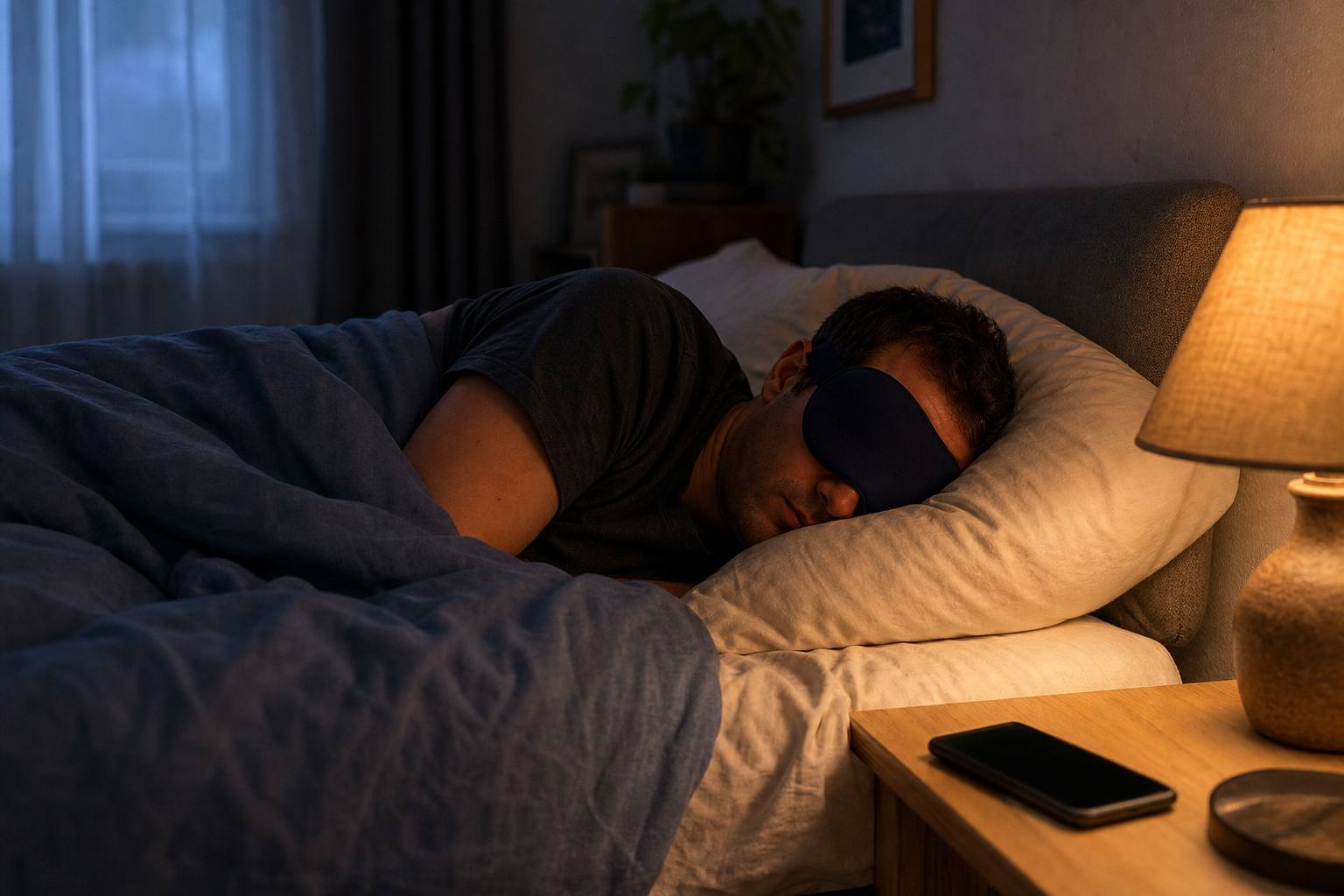
A practical guide to choosing a sleep mask that blocks unwanted light without pressing on your eyes, slipping, overheating, or hiding important visual alerts.
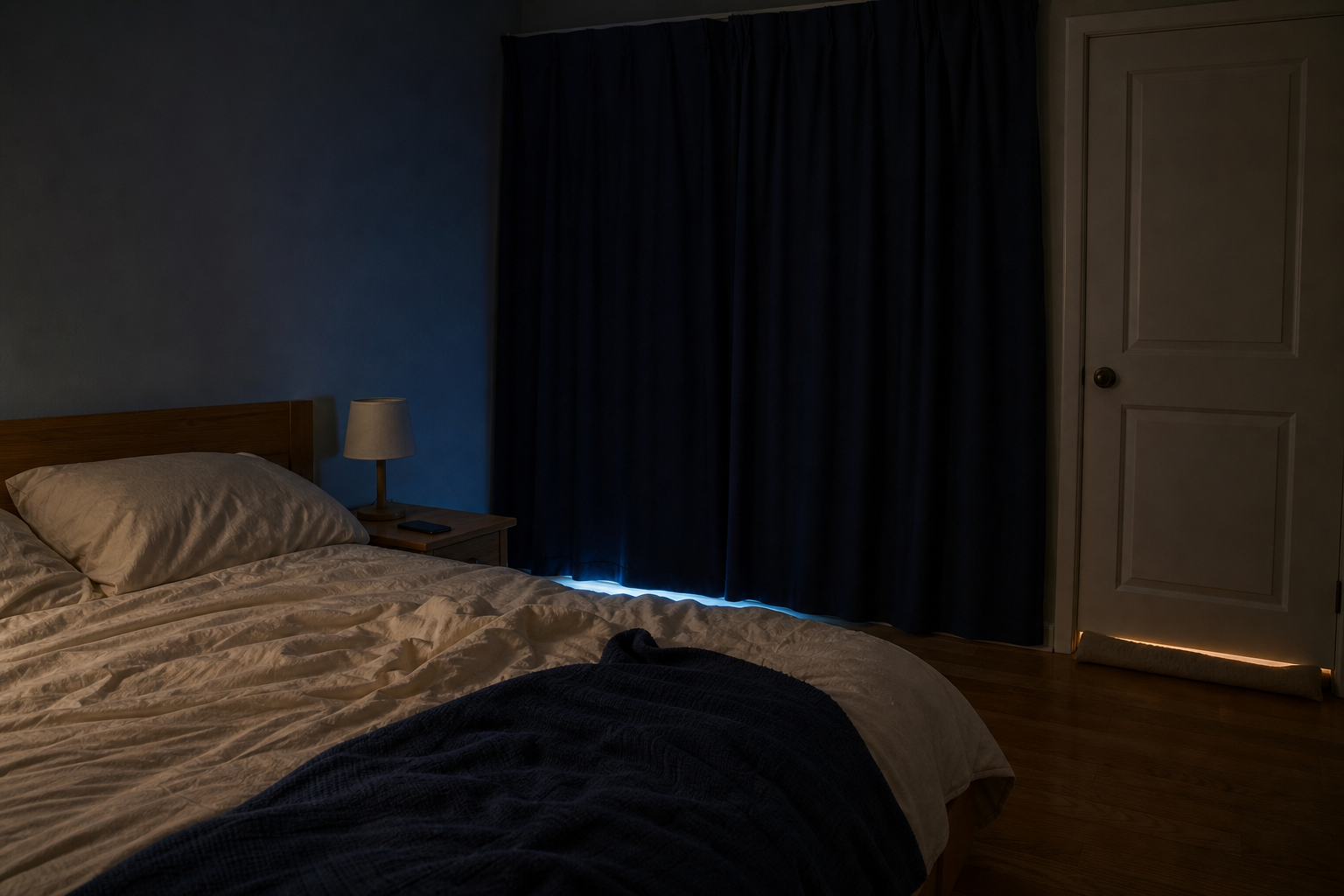
Find the brightest sources of light in your bedroom, then use practical, reversible changes to block windows, door gaps, electronics, and reflections.