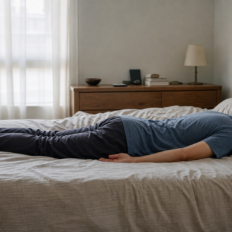
How to Nap Without Disrupting Your Nighttime Sleep
A short, early-afternoon nap may improve alertness without interfering with bedtime. Use timing, duration, and your nighttime response to find out whether napping works for you.
A short, early-afternoon nap may improve alertness without interfering with bedtime. Use timing, duration, and your nighttime response to find out whether napping works for you.
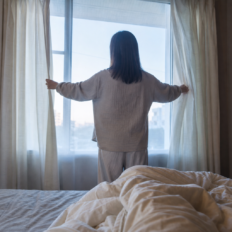
Morning light gives your circadian clock a strong daytime signal. A consistent, flexible daylight routine can support earlier alertness and steadier sleep timing.
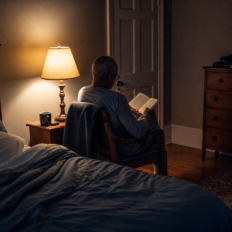
A stressful evening does not require a perfect bedtime routine. Use this flexible sequence to close out the day, lower stimulation, and approach sleep without forcing it.
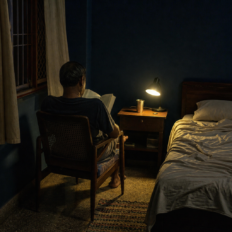
A difficult night does not need to become a battle with sleep. Try this low-stimulation routine when you are awake, restless, and unsure what to do next.

A practical checklist for choosing one sleep habit, testing it consistently, and noticing what works without trying to perfect your entire routine.
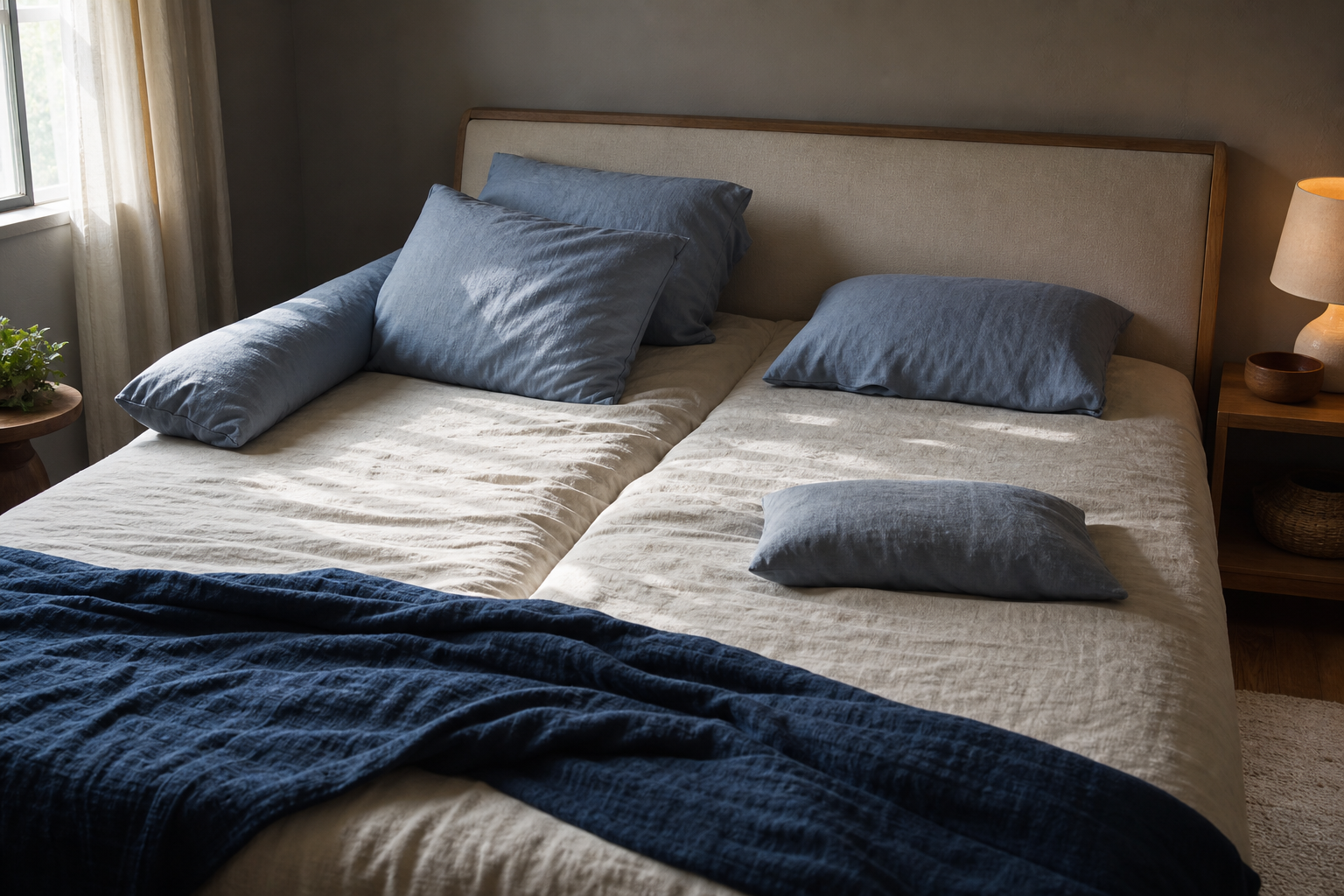
Side and back sleeping each have practical advantages. Learn how comfort, pillow height, mattress sink, breathing, reflux, and personal needs affect the better choice.
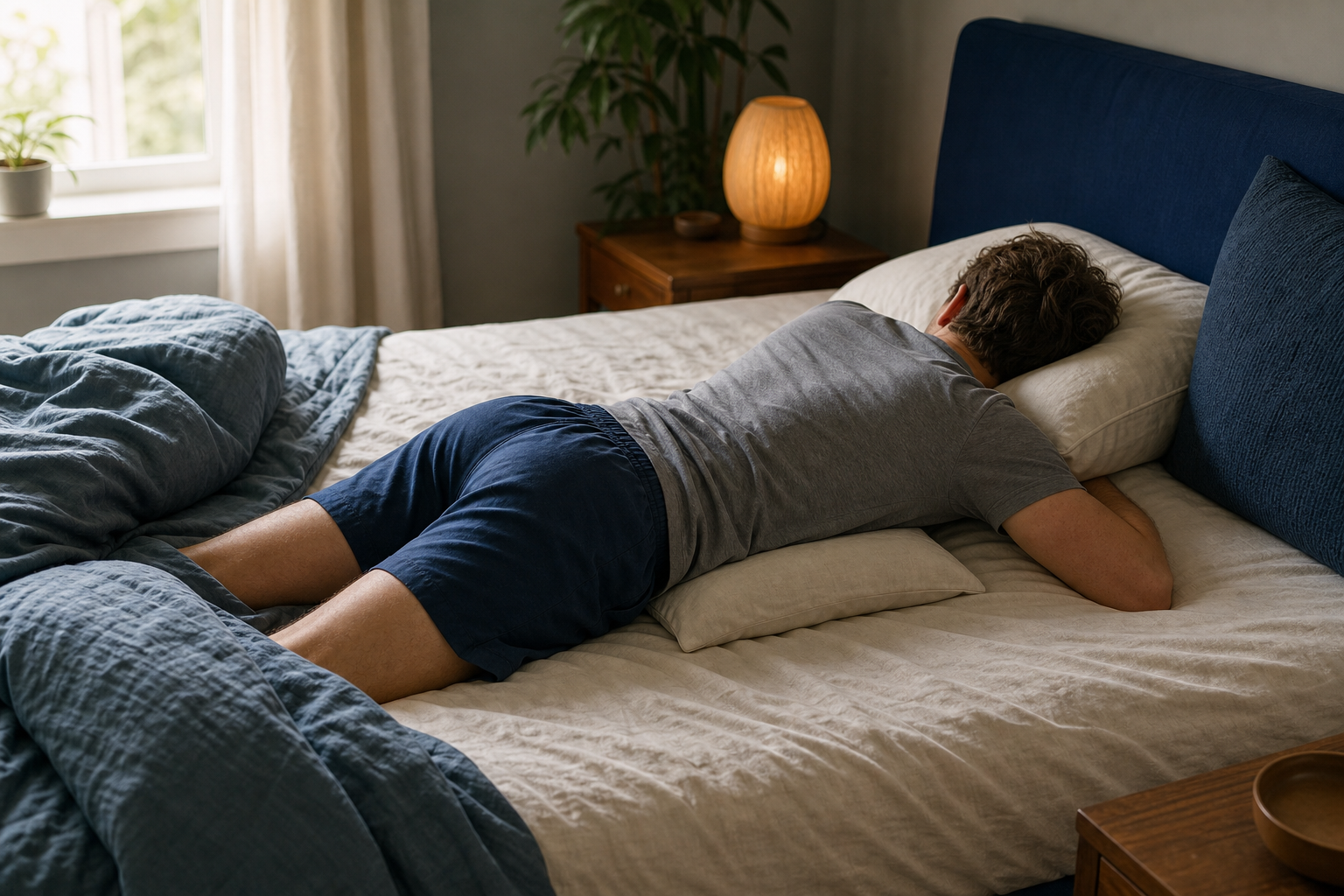
A practical guide to stomach sleeping positions, pillow height, pelvic support, arm placement, and simple comfort checks.
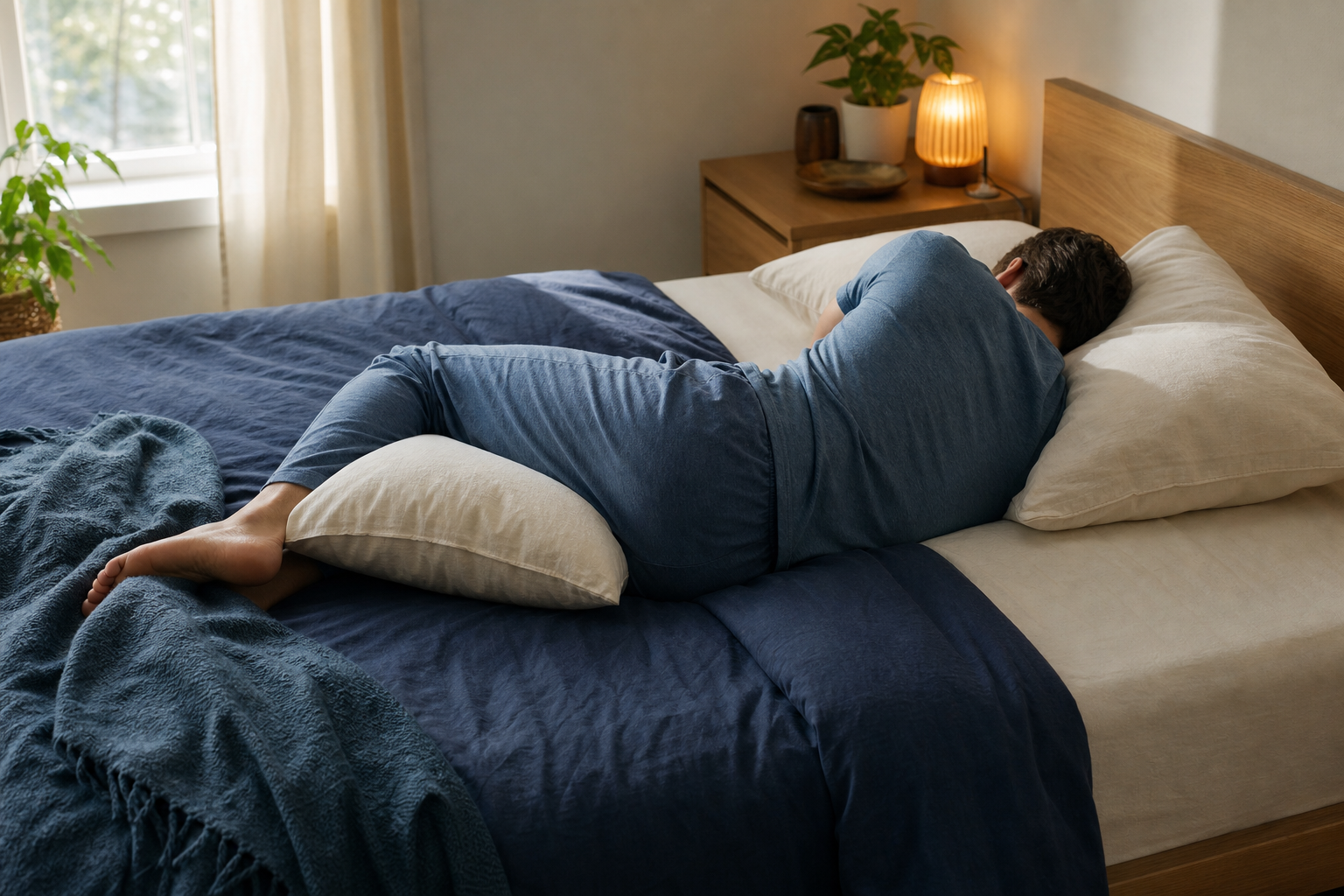
The healthiest sleeping position depends on your comfort, body proportions, mattress, pillow, and individual health considerations.
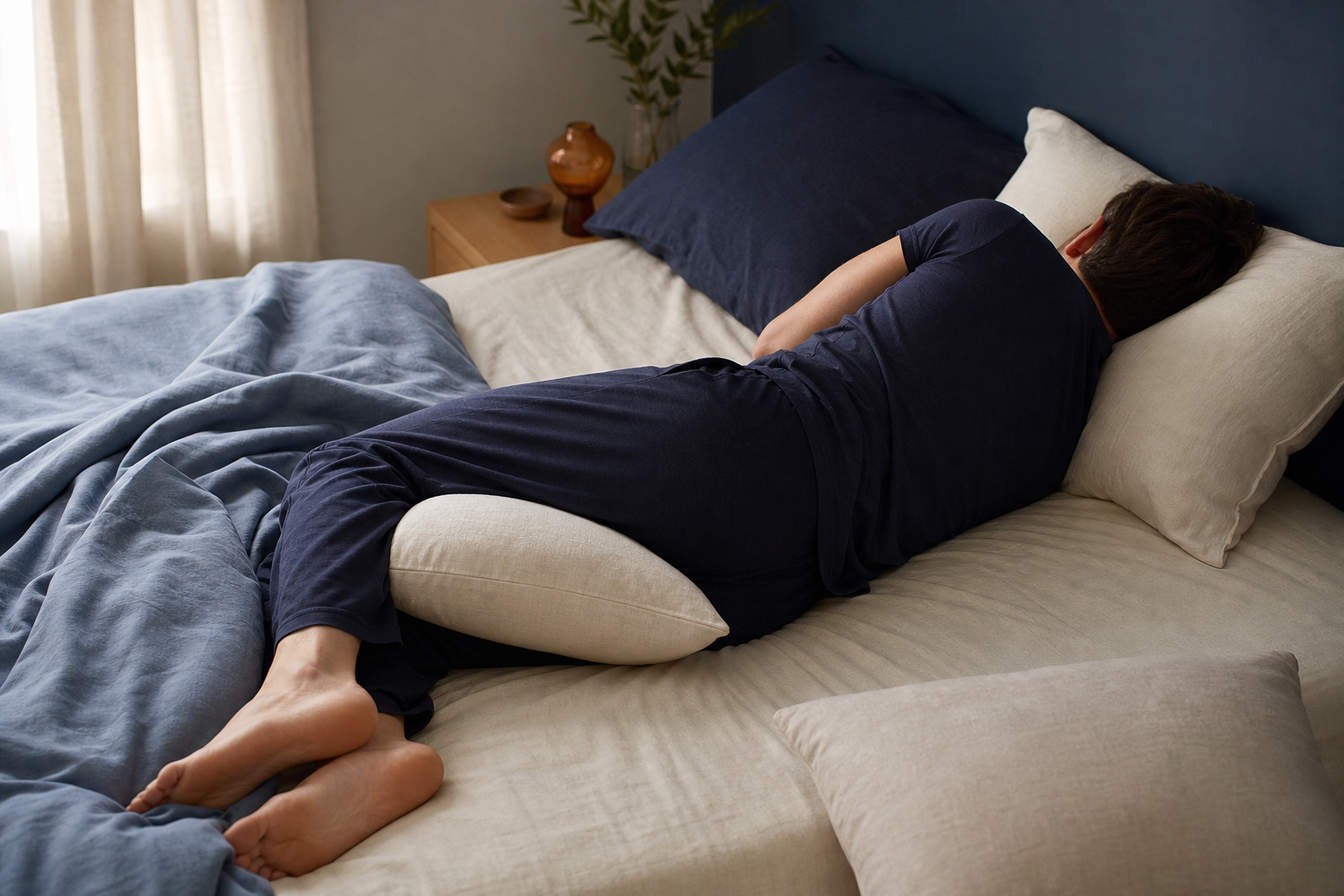
There is no single best sleep position for every sore back. Use these practical posture, pillow, and mattress checks to find a more comfortable setup.
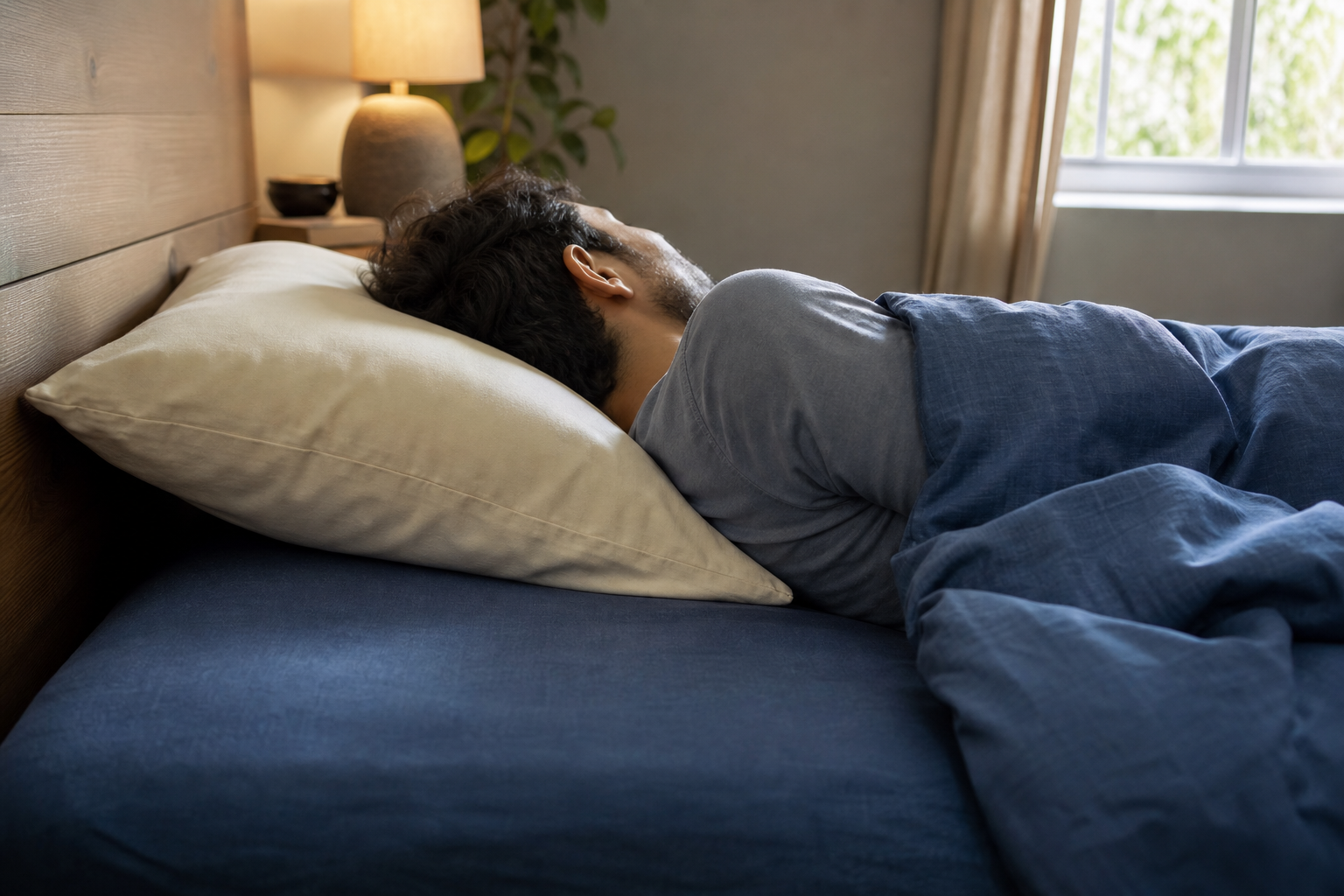
Learn how to position your pillow so your head and neck feel comfortably supported without assuming one height or shape works for everyone.